.jpg)
When a storm hits, the first instinct is often to file an insurance claim right away. The damage feels urgent, the situation is stressful, and many homeowners want to move as quickly as possible. But filing too fast can lead to avoidable delays, denied items, or missed opportunities to document the condition properly.
Before submitting a claim, there are a few smart steps that can help homeowners protect themselves, avoid complications, and make the entire process smoother. At All Peril, we work with storms every day, and the strongest claims always start with the same foundation: clear evidence, correct damage identification, and a coordinated plan.
This guide covers what every homeowner should know before opening a storm claim.
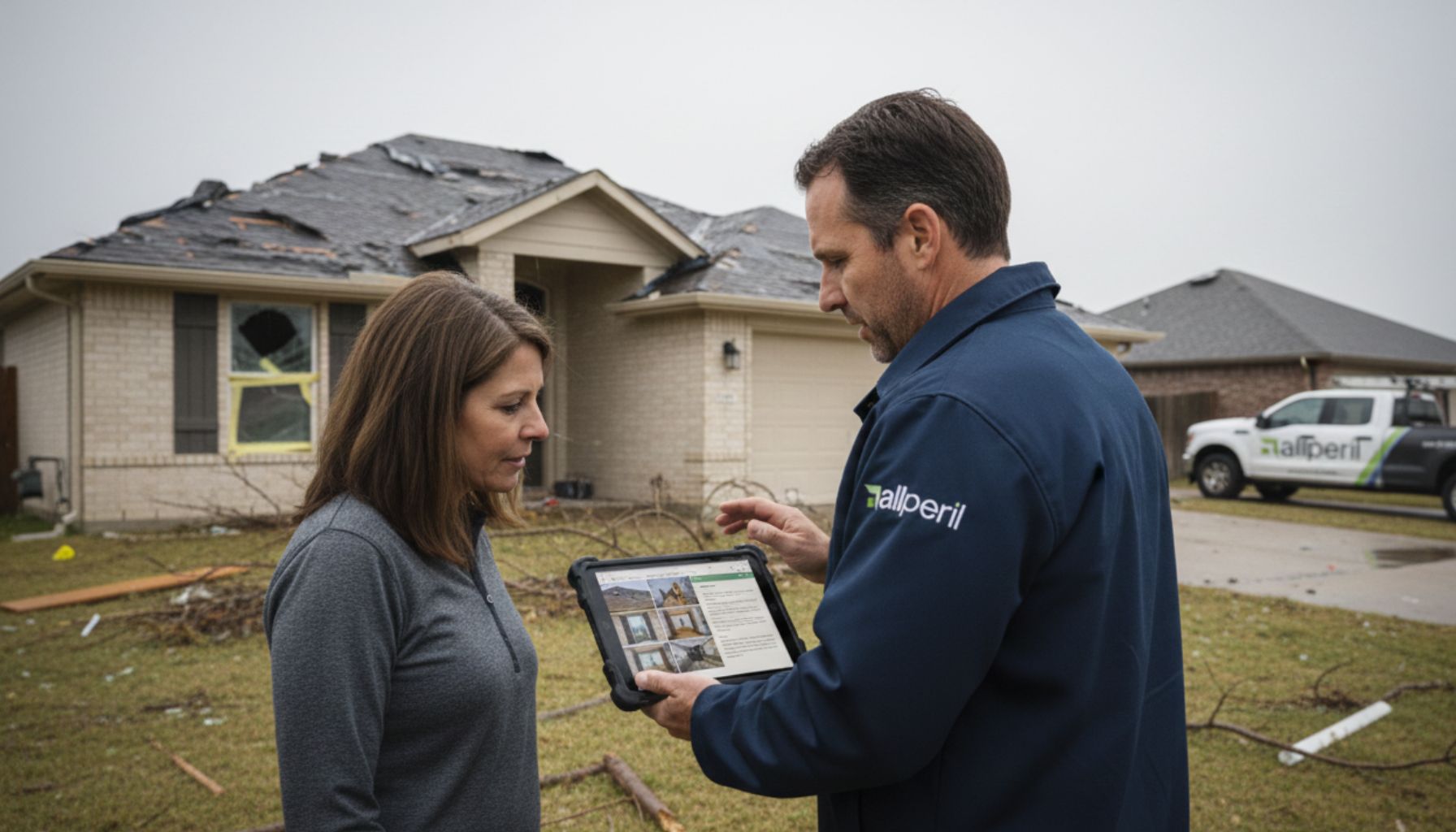
A proper inspection is the most important step before filing. Homeowners often assume all visible issues are storm related, but insurance carriers require proof. Missing or weak documentation in the early stages can create major delays later.
An unbiased inspection protects the homeowner from filing a claim that will likely be denied and also ensures real storm damage is fully documented before weathering or repairs alter the evidence.
Not all damage qualifies for a claim. Some issues are caused by age, installation defects, tree debris, or improper drainage. Filing for these conditions can result in denials or delays.
Storm damage typically includes:
Non-storm issues, by contrast, may include:
A trained inspector can help differentiate between the two so homeowners have a clear understanding before filing.
If damage is present, documentation becomes the backbone of the claim. Carriers rely on photos, notes, and measurements to verify what happened and why. Incomplete documentation at the start of a claim often leads to delays or repeated site visits.
This evidence supports the claim and gives the carrier the information they need to move quickly.
It is natural for homeowners to want to protect their property. Tarping, patching, or nailing shingles back down is sometimes necessary to prevent further damage. But repairs should only begin after documentation is complete.
Why wait?
Temporary protective measures are fine as long as the damage is fully documented first.
Many homeowners feel pressured to call their carrier immediately after a storm, but a professional inspection and conversation beforehand can help ensure they file the right type of claim with the right information.
Professionals like All Peril help homeowners:
A quick conversation can prevent unnecessary denials and speed up claim approval when damage is legitimate.
When a homeowner files with clear evidence and accurate information, the adjuster has what they need to move quickly. From the first inspection to the supplemental review, clean documentation keeps the claim flowing smoothly.
At All Peril, this is exactly what our pre-claim inspection service is designed to do. We help homeowners make informed decisions so they avoid unnecessary claims and ensure real storm damage is documented clearly and professionally.
Should homeowners always file after a storm?
No. Filing should happen only when clear storm damage is present.
What happens if a homeowner files too early?
They may open a claim without proper documentation or for damage unrelated to weather, which can lead to delays or denials.
Do adjusters require photos before approving anything?
Yes. Clear, storm related documentation is essential for review.
Can temporary repairs void a claim?
Not usually, but they can complicate the review if done before documentation.
What does All Peril offer before filing?
We provide pre-claim inspections that help homeowners understand whether filing is recommended and ensure all documentation is clean and organized.
.jpg)